Use a Night Guard to Protect Your Teeth While Sleeping
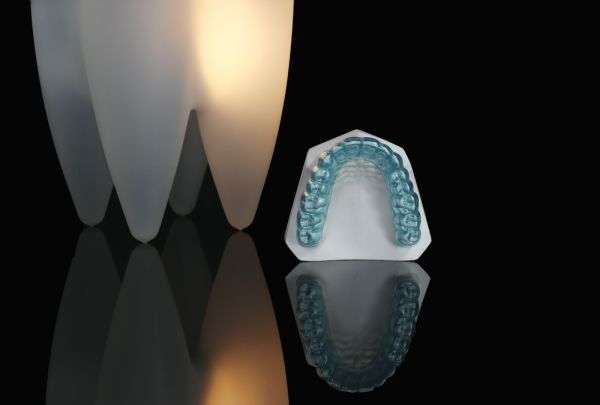
If you habitually grind your teeth while sleeping, wearing a night guard each night is a great way to protect them. These devices reduce the stress put on teeth when grinding, and this leads to less damage as a result of bruxism.
How a night guard protects your teeth
Night guards do not actually do anything to prevent or treat bruxism. Teeth grinding is often the result of another condition the patient is dealing with, like stress, emotional issues or overactive jaw muscles. The only way to treat bruxism is by addressing the underlying cause. Given how hard it can be to diagnose the cause of bruxism (especially if the cause is non-physical), dentists often recommend using a night guard to minimize the damage being done to the patient's teeth while the condition is being treated.
Why bruxism is bad for teeth
Teeth grinding leads to a person's teeth enamel becoming damaged, and that can lead to a host of dental issues. Teeth enamel is the strongest part of the human body. It serves as a barrier that protects teeth from things that can damage them, like acids produced by bacteria that live in the oral cavity.
The enamel protects the inner layers of a tooth, like the dentin and pulp chamber. The pulp chamber houses a tooth's soft tissue and nerves. People often experience consistent toothaches once the contents are exposed to saliva, food particles and bacteria.
Teeth grinding literally does what the name implies. If left untreated, it will wear a tooth down until it reaches the pulp chamber. The patient would experience unbearable pain at that point, and the dentist might need to remove the affected teeth to end the pain.
By wearing a night guard, patients can reduce the damage done to their teeth if they grind them while sleeping. The night guard absorbs a huge portion of the forces generated by their jaw, and instead of teeth enamel being worn down, the mouth guard is worn down instead.
Selecting the right night guard
Patients have two main options when it comes to selecting a mouth guard for bruxism:
1. Stock mouth guard
These are the cheapest alternative for those who grind their teeth. They are a one-size-fits-all kind of device, so patients should not expect the most comfortable fit. A stock appliance that does not fit properly can lead to the person's teeth being misaligned, which in turn can lead to even greater forces being exerted on their teeth.
People who go this route should at least get no-impression, custom-fit devices.
2. Customized mouth guard
These are customized for the patient by a dentist and provide a much better fit than alternatives. They reduce the effects of bruxism and can even improve the alignment of the wearer's teeth. These devices are made in a dental lab, so it can take a couple of weeks before they are ready.
Dealing with bruxism? Talk to a dentist about treatment and getting a customized mouth guard.
Let's get started …
Request an appointment here: https://www.lightbreezedental.com or call Light Breeze Dental at (949) 274-4719 for an appointment in our Irvine office.
Check out what others are saying about our dental services on Yelp: Night Guards.
Recent Posts
Dental implants can restore chewing function and appearance, but they still require careful daily cleaning. Plaque can collect around the gumline and crown. If it remains, the surrounding tissues may become inflamed and develop peri-implant mucositis. Along with professional monitoring, consistent brushing and interdental cleaning help reduce that buildup and support healthy tissues around the…
An Invisalign® dentist can help patients protect their teeth and aligners while building habits that keep treatment on track. One useful guideline involves waiting about 30 minutes after eating acidic foods or drinks before brushing. This short delay gives saliva time to help neutralize acids and allows enamel to re-harden before brushing. Along with this…
Most people grow up hearing that dental care means one checkup with a family dentist every six months. While that schedule works well for many patients, it is not the right fit for every smile. Some people benefit from more frequent visits because their oral health needs, habits, or medical history place them at a…
A veneers dentist helps you achieve a brighter, more balanced smile by placing thin, durable covers over teeth that show signs of wear or permanent staining. These custom-made layers provide a fresh start for anyone who feels tired of hiding their teeth behind a hand or staying out of photos. Choosing this path allows a…